
A controlled approach to mechanical load
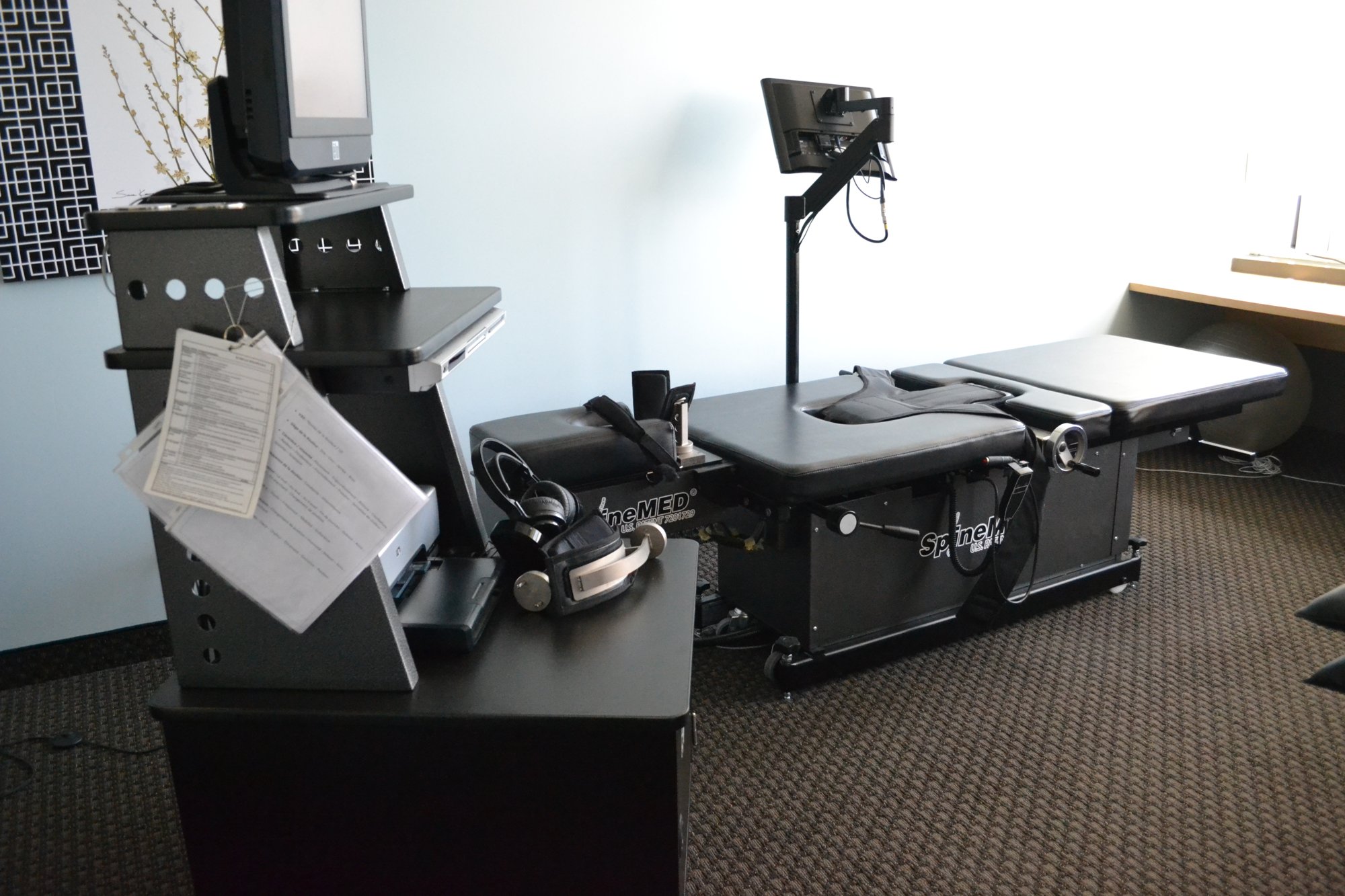
Spinal traction uses a gentle, controlled pulling force with the goal of temporarily changing mechanical load. Whether it is worth considering depends on an individual evaluation, not on a one-size-fits-all plan.
Start with your history and goals
Dr. Jeff Boyajian, DC can discuss what you are feeling, how it affects your activities, relevant health history, and what you hope to accomplish. That conversation helps determine whether traction is reasonable to discuss and whether another evaluation or referral may be more appropriate.
You can ask for an explanation in plain language before making a decision.
The plan is not automatic
If traction is considered, the method and intensity depend on the evaluation and the discussion with you. Evidence varies across conditions, and traction is not suitable for everyone. A proposed approach can be reconsidered if your symptoms or comfort change.
You may decline, pause, or request a different option at any point.
Discuss limits and alternatives
Before proceeding, ask about possible discomforts, risks, precautions, alternatives, and signs that medical assessment may be needed. Traction is not a guarantee of relief, a cure, or a particular timeline, and it should not delay appropriate medical care.
The aim is an informed, individualized choice with clear communication rather than a promise about outcome.
Educational information only; a clinician should review your individual situation before traction is considered.
A little more
clarity.
General information to help you start a conversation. Your doctor can answer questions specific to you.
What is the goal of spinal traction?
It uses controlled pulling force with the goal of temporarily changing mechanical load. The expected role, if any, depends on your individual situation and should be explained before care.
Is traction appropriate for everyone?
No. Suitability depends on an evaluation, relevant history, and the discussion of potential risks and alternatives. Another evaluation may be appropriate in some situations.
Can I stop or change the plan?
Yes. You can share feedback, ask for a pause or explanation, decline a step, or discuss another option. Your agreement should be informed and voluntary.
Let’s talk about what you need.
Have questions about this service or feel uncertain about seeking care? Reach out to discuss your concerns and learn what your next step could look like.